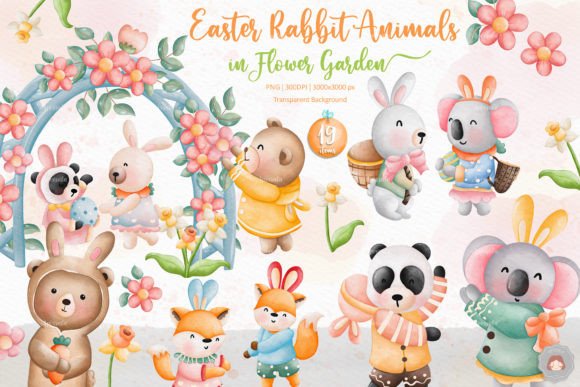
Easter Rabbit Animal in Flower Garden: A Watercolor Design Asset
Visual Characteristics and Artistic Appeal
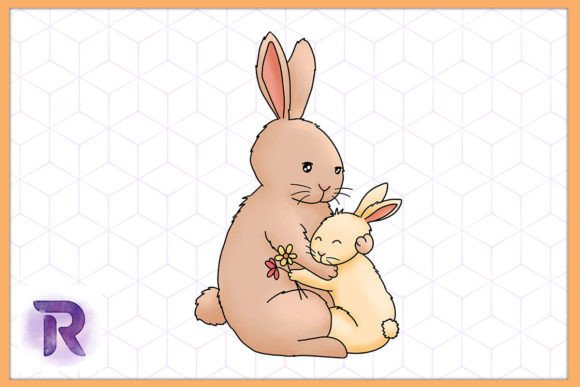
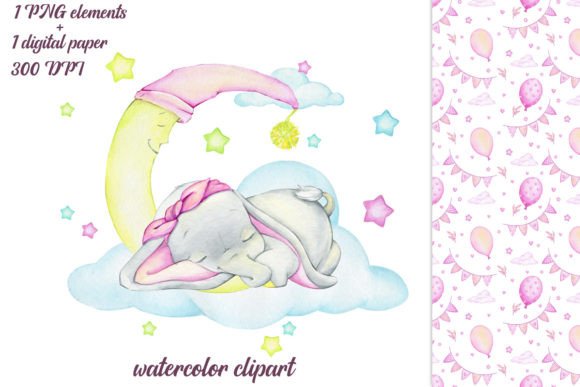
The Easter Rabbit Animal in Flower Garden collection captures a distinctly charming aesthetic that blends whimsy with artistic sophistication. These watercolor illustrations feature soft, organic brushstrokes that create a natural, hand-painted feel—something increasingly rare in a market saturated with flat vector graphics and AI-generated imagery. Each rabbit character is rendered with careful attention to texture, from the delicate fur detailing to the subtle color gradients that give these designs their warmth and personality.
What sets this collection apart is the thoughtful integration of floral elements. The rabbits aren't simply placed against plain backgrounds; they're woven into garden scenes where spring blooms complement their forms. This contextual approach means each illustration tells a small visual story, making them far more versatile than standalone character graphics. The color palette leans into soft pastels—gentle lavenders, muted greens, warm peach tones—that feel seasonally appropriate without being clichéd.
At 300DPI and approximately 3000x3000 pixels, these PNG files deliver genuine print-ready quality. The transparent backgrounds eliminate tedious masking work, which matters more than most people realize when you're juggling multiple design projects simultaneously. Whether you're working on a small greeting card or scaling up for a large-format print, the resolution holds up without pixelation or quality loss.
Practical Applications Across Creative Projects
For designers and small business owners, the real question is always about utility—where does this collection actually earn its place in a design toolkit? The answer spans more project types than you might initially consider.
Packaging and Product Design
Spring-themed product packaging benefits enormously from watercolor artwork that feels artisanal rather than mass-produced. Think about soap labels, candle packaging, bakery boxes, or specialty food wrappers. The Easter Rabbit Animal in Flower Garden illustrations communicate handcrafted quality without requiring custom illustration commissions. For entrepreneurs launching seasonal product lines, this kind of design asset bridges the gap between professional appearance and budget constraints.
Digital Marketing and Social Media
Social media graphics demand visual impact within seconds. These illustrations work particularly well for Instagram posts, Pinterest pins, and Facebook ad creatives targeting spring promotions, Easter sales, or garden-themed content. The watercolor style photographs beautifully and stands out against the algorithmic sea of stock photography and template-driven designs. Bloggers and content creators can use them as featured images, header graphics, or section dividers that add personality to long-form content.
Print-on-Demand and Merchandise
The sublimation compatibility mentioned in the product specifications opens direct pathways to merchandise creation. T-shirts, tote bags, mugs, phone cases, throw pillows—these illustrations translate well across physical products because the watercolor texture adds visual interest even at smaller scales. Small business owners running Etsy shops or independent merchandise stores can build cohesive spring collections using these graphics as their visual foundation.
Stationery and Greeting Cards
This might be the most natural application. Easter cards, spring invitations, baby shower stationery, garden party invitations—the subject matter aligns perfectly with occasions that call for warmth and charm. The transparent PNG format makes it straightforward to layer these illustrations onto card templates, adjust sizing, and create mockups for print production.
Working with Watercolor Design Assets Effectively
Watercolor illustrations behave differently than vector graphics or photographic elements, and understanding these differences helps you extract maximum value from collections like Easter Rabbit Animal in Flower Garden.
Color Integration
Watercolor artwork carries inherent color complexity—subtle variations within each brushstroke that create visual depth. When placing these illustrations within broader designs, resist the urge to match colors exactly. Instead, pull complementary tones from the artwork for surrounding text and graphic elements. This creates cohesion without looking overly coordinated, which tends to feel artificial rather than harmonious.
Typography Pairing
The organic, hand-painted quality of watercolor illustrations pairs best with typefaces that echo similar qualities without competing for attention. Clean sans serif fonts provide excellent contrast, letting the illustrations remain the visual focal point. Alternatively, script fonts or handwritten fonts can complement the artistic feel, though you'll want to test readability carefully, especially at smaller sizes. Avoid overly decorative or heavy display fonts that might create visual clutter alongside detailed illustrations.
Scale and Composition
Because these files are generously sized, you have flexibility in how dramatically you crop or scale them. Using a full illustration as a background element with text overlay creates a different mood than isolating a single rabbit character as a focal point. Experiment with both approaches. Sometimes the most effective design uses only a portion of an illustration, letting negative space do meaningful work.
Commercial Considerations
Before incorporating any design asset into commercial projects, review the licensing terms carefully. Understand what the license permits regarding product sales, client work, and distribution. For designers creating work for clients, clear licensing prevents awkward conversations later. Keep purchase records organized and accessible—you'll thank yourself if questions ever arise about usage rights.
The absence of watermarks in purchased files signals trust between creator and buyer, but it also means you're responsible for using these assets within agreed boundaries. Professional integrity in this area builds reputations that generate referrals and repeat business.
Building Cohesive Seasonal Collections
One illustration set rarely carries an entire project alone. Think about how the Easter Rabbit Animal in Flower Garden collection might work alongside complementary design assets—coordinate floral patterns, solid color blocks, or subtle texture overlays. The most polished seasonal designs feel intentional precisely because every element works together rather than existing in isolation.
Consider creating a small visual system: select three to five colors drawn from the illustrations, establish consistent spacing and sizing relationships, and apply these decisions across every touchpoint. Whether you're designing a complete product line or a series of social media posts, this systematic approach transforms individual graphics into recognizable brand moments.
For creative professionals managing multiple clients or product lines, building organized asset libraries with clear naming conventions saves considerable time during production phases. Tag these files by theme, season, color family, and project type so you can locate them quickly when relevant opportunities arise.
The spring and Easter design window is relatively narrow but commercially significant. Having quality assets ready before the seasonal rush means you can focus energy on strategy and execution rather than scrambling for appropriate visuals at the last minute. Collections like this one offer that preparedness at a fraction of custom illustration costs, making them genuinely practical investments for working creatives and business owners alike.